
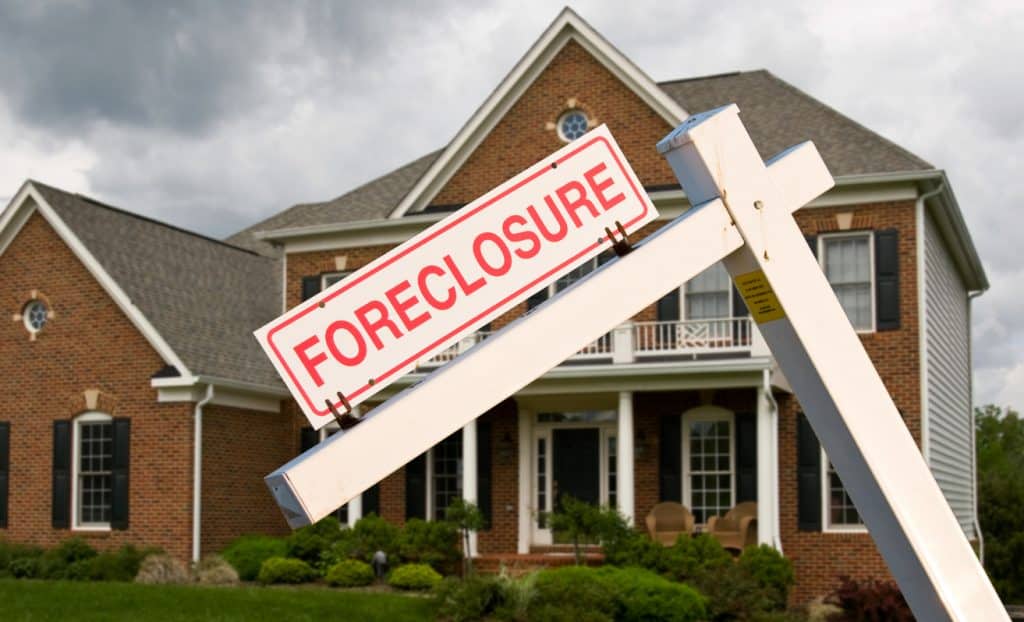
FORECLOSURE INSPECTIONS
Although there may be opportunity for substantial financial gain, these properties can have their own unique set of problems. Some foreclosure properties often have unique and extra problems due to the effects of the winterization process homes have gone through. Properties that have had the heat and water turned off for the winter or for extended periods of time tend to be the homes of our greatest concern. Many times a foreclosure property has been stripped of many things that a buyer would normally expect to be in the home.
These include but are not limited to;
- Plumbing and copper pipes
- Romex or other electrical wiring (copper)
- Cabinets/counter tops
- Appliances such as stoves, built-in microwaves, dishwashers, space heaters, etc.
- Furnaces, water heaters, and air conditioning units
- Light fixtures, ceiling fans, switches, and receptacles
- Doors (interior and exterior) and hardware (knobs and locks)
- Flooring (carpet), suspended ceilings and walls (paneling and tile)
- Windows and vents
- Medicine cabinets, sinks, tubs, toilets and showers
- Sink drains and faucets
- Built-in shelving / bookcases
- Landscaping, fencing, built-in pools and spas, retaining walls (landscape block), patio stone
- Wood trim (oak or any decorative)
Winterization damage
Reassurance Home Inspections has seen many of the foreclosed homes have plumbing problems from the winterizations done by inexperienced and experienced workers and plumbers. Especially the homes that have been unheated over the winter season. When these homes are de-winterized try to get the plumbing company to do an air pressure test on the system first before they turn the water on. That way if there is a broken pipe, there will not be water leaking out all over ruining the walls and floors. BE CAREFUL! I pay extra attention to these homes as the problems are sometimes not as easily uncovered as in a non-forclosed home.
The current real estate market includes many foreclosed, bank-owned homes. If purchased right these properties can be a great investment resource or “fixer-upper” first home regardless. Contact us today to get started.
Foreclosure Home Inspection FAQ
A foreclosure home inspection is a detailed evaluation of a bank-owned or distressed property to uncover hidden damage, missing components, and potential safety concerns. While foreclosure homes can offer strong investment opportunities or affordable entry points for buyers, they often come with unique risks. A professional home inspection service helps identify these issues early so you can make an informed decision and avoid unexpected repair costs.
In many cases, yes. Foreclosure properties are often vacant for extended periods and may have been subject to neglect, vandalism, or improper maintenance. Systems like plumbing, heating, and electrical may not have been regularly serviced, and the home itself may have suffered damage due to lack of climate control or oversight. This makes a foreclosure inspection especially critical compared to a standard home purchase.
Foreclosed homes frequently have missing or damaged components. It’s not uncommon to find removed copper plumbing, stripped electrical wiring, missing appliances, or even absent fixtures like sinks, toilets, and light fittings. In some cases, doors, cabinetry, flooring, and even landscaping elements may be gone. A thorough inspection helps document these conditions so buyers fully understand what repairs or replacements will be needed.
Winterization is a process used to protect vacant homes from freezing temperatures, often involving shutting off water systems and draining pipes. While necessary, it can sometimes lead to issues if not done correctly. Improper winterization or long periods without heat can result in cracked or burst pipes, damaged plumbing systems, and other hidden problems that may not be immediately visible.